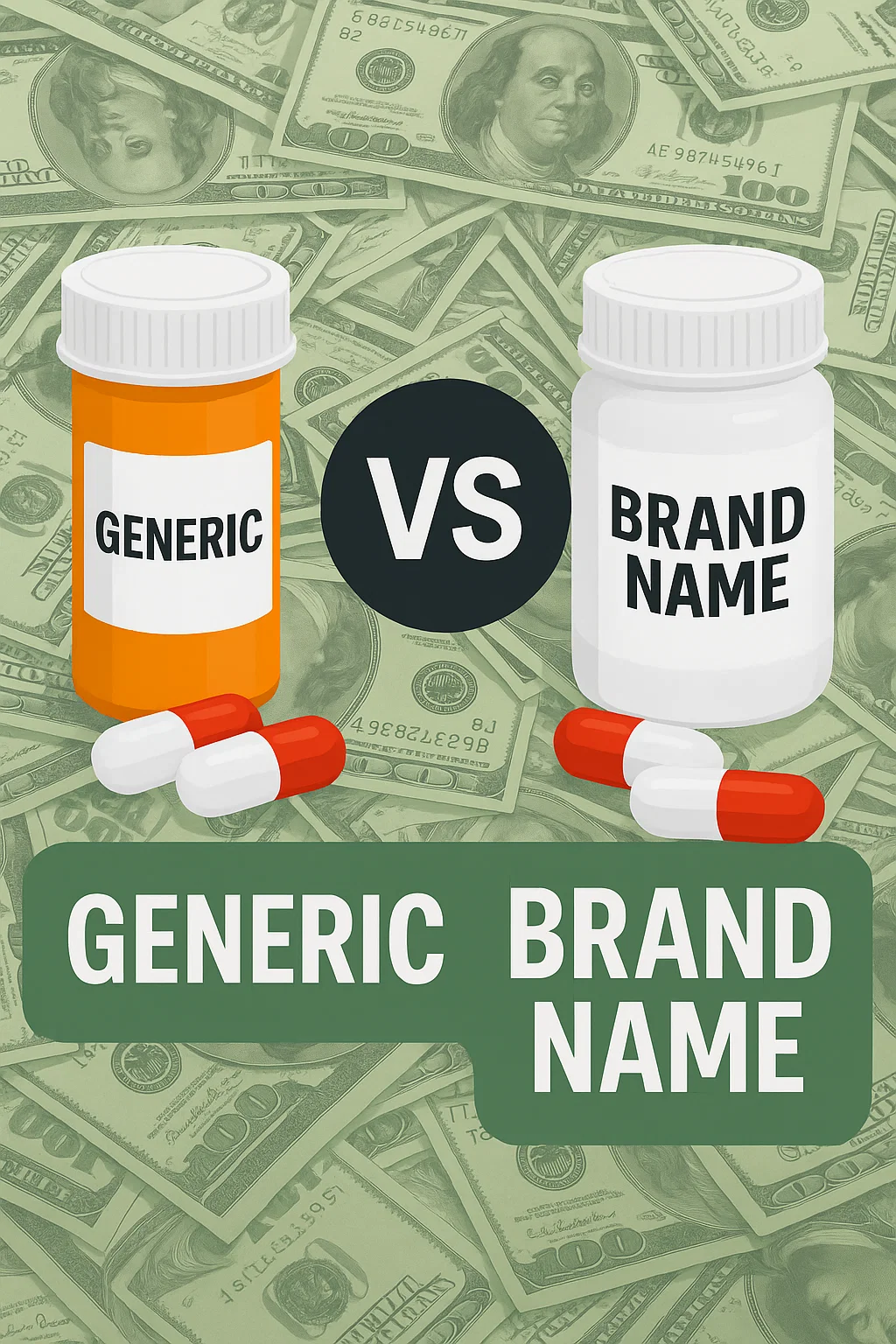
The pharmacy counter presents a common dilemma: should you choose the familiar brand name medication or opt for its generic equivalent? This decision impacts both your health and your wallet, yet many consumers remain uncertain about the differences, safety, and potential savings involved. Understanding the science behind generic medications and their regulatory approval process can help you make informed decisions that protect your health while maximizing your healthcare budget.
Understanding the Medication Landscape
When a pharmaceutical company develops a new drug, they receive patent protection that typically lasts 20 years from the filing date. During this period, the company enjoys exclusive rights to manufacture and sell the medication, allowing them to recoup the substantial research and development costs that can reach hundreds of millions of dollars.
Once the patent expires, other manufacturers can apply to produce generic versions of the medication. These generic drugs must contain the same active ingredient as the brand name drug and meet strict regulatory standards for safety and effectiveness. The competition that emerges from multiple manufacturers typically drives prices down significantly.
The brand name drug is often called the “innovator” or “reference” drug, while the generic version is considered the “bioequivalent” alternative. This bioequivalence is the key concept that ensures generic medications provide the same therapeutic effect as their brand name counterparts.
The Science of Generic Equivalence
Generic medications must demonstrate bioequivalence to the original brand name drug through rigorous testing. Bioequivalence means that the generic drug delivers the same amount of active ingredient into the bloodstream at the same rate as the brand name medication.
The FDA requires generic drugs to meet several critical criteria. The active ingredient must be identical to the brand name drug in strength, dosage form, and route of administration. The generic must also demonstrate that it reaches the bloodstream at the same rate and to the same extent as the original medication.
Testing involves comparing blood levels of the active ingredient in healthy volunteers who take both the generic and brand name versions. The generic drug must produce blood levels that fall within an acceptable range compared to the brand name drug. This range is typically 80-125% of the brand name drug’s blood levels, which is considered therapeutically equivalent.
The inactive ingredients, such as fillers, binders, and colorings, may differ between generic and brand name medications. However, these ingredients must be Generally Recognized as Safe (GRAS) by the FDA and cannot affect the drug’s safety or effectiveness.
Regulatory Oversight and Safety Standards
The FDA’s generic drug approval process is comprehensive and stringent. Manufacturers must submit an Abbreviated New Drug Application (ANDA) that includes detailed information about the drug’s composition, manufacturing processes, and quality control measures.
Manufacturing facilities for generic drugs must meet the same Good Manufacturing Practice (GMP) standards as brand name drug facilities. The FDA conducts regular inspections of these facilities to ensure compliance with quality and safety standards.
Generic drug manufacturers must also demonstrate that their products have the same labeling as the brand name drug, including indications, contraindications, warnings, and adverse reactions. This ensures that healthcare providers and patients receive consistent information regardless of which version they choose.
The FDA maintains ongoing surveillance of generic drugs through adverse event reporting systems and post-market studies. If safety concerns arise, the agency can take action to remove products from the market or require additional studies.
Financial Impact and Savings Potential
The cost difference between generic and brand name medications can be substantial. Generic drugs typically cost 80-90% less than their brand name equivalents, representing significant savings for consumers, insurance companies, and healthcare systems.
For individuals paying out-of-pocket, these savings can be dramatic. A brand name medication that costs $200 per month might have a generic equivalent priced at $20-40 per month. Over a year, this difference amounts to nearly $2,000 in savings.
Even for those with insurance coverage, choosing generic medications often results in lower copayments. Many insurance plans have tiered formularies where generic drugs require the lowest copayment, preferred brand names require a moderate copayment, and non-preferred brand names require the highest copayment.
The broader economic impact is equally significant. Generic drugs save the U.S. healthcare system over $300 billion annually, according to industry estimates. These savings help keep healthcare costs more manageable for everyone, including those who don’t directly use generic medications.
Common Concerns and Misconceptions
Despite the scientific evidence supporting generic drug safety and effectiveness, several misconceptions persist among consumers and even some healthcare providers.
One common concern is that generic drugs are somehow inferior because they cost less. This perception stems from the general assumption that higher prices indicate better quality. However, the lower price of generic drugs reflects the absence of research and development costs and marketing expenses, not inferior quality or effectiveness.
Another misconception is that generic drugs are made in substandard facilities or countries with lax regulations. While some generic drugs are manufactured internationally, all facilities must meet FDA standards regardless of location. The agency conducts inspections of international facilities just as it does for domestic ones.
Some patients worry that switching from a brand name to a generic drug will disrupt their treatment. While most switches occur without issues, individual responses can vary slightly due to differences in inactive ingredients. However, significant therapeutic differences are rare and typically manageable with proper monitoring.
The concern about appearance differences also troubles some patients. Generic drugs may look different from brand name drugs due to trademark protections that prevent exact copying of size, shape, and color. These cosmetic differences don’t affect the drug’s therapeutic properties.
When Brand Names Might Be Preferred
While generic drugs are appropriate for most situations, certain circumstances might warrant choosing brand name medications.
Narrow therapeutic index drugs, which have a small margin between effective and toxic doses, may require more careful consideration. Examples include warfarin, digoxin, and certain seizure medications. While generic versions of these drugs are still bioequivalent and safe, some physicians prefer to avoid switching between manufacturers to maintain consistency.
Patients with specific allergies or sensitivities to inactive ingredients might need to stick with brand name medications if the generic versions contain problematic substances. However, multiple generic manufacturers often exist, providing alternatives with different inactive ingredients.
Complex drug delivery systems, such as extended-release formulations or combination products, might perform slightly differently between manufacturers. While still bioequivalent, some patients might respond better to specific formulations.
In rare cases, patients might experience genuine differences in effectiveness or side effects when switching between generic and brand name drugs. These situations require careful evaluation by healthcare providers to determine the best approach.
Making Informed Decisions at the Pharmacy
When faced with the choice between generic and brand name medications, consider several factors to make the best decision for your situation.
Start by discussing the options with your healthcare provider. They can provide guidance based on your specific medical condition, other medications you’re taking, and any previous experiences with generic drugs. Some providers may have preferences based on their clinical experience, while others routinely recommend generics for cost savings.
Review your insurance coverage to understand the financial implications of each choice. Calculate the annual cost difference between generic and brand name options, considering both copayments and any deductible requirements.
Consider your personal risk tolerance and preferences. If you’re comfortable with generic medications and have had positive experiences, they likely represent the best value. If you have concerns or have experienced issues with generics in the past, the additional cost of brand name drugs might be worthwhile for peace of mind.
Ask your pharmacist about manufacturer consistency. If you’re taking a generic medication, requesting the same manufacturer each time can help ensure consistency in your treatment.
Maximizing Your Medication Budget
Beyond choosing between generic and brand name drugs, several strategies can help optimize your medication expenses.
Prescription assistance programs offered by pharmaceutical companies can significantly reduce costs for both generic and brand name medications. These programs are often available regardless of insurance status and can provide substantial savings for eligible patients.
Pharmacy shopping can reveal significant price differences for the same medication. Prices can vary widely between pharmacies, even for generic drugs. Online pharmacies and discount programs may offer additional savings opportunities.
Consider mail-order pharmacies for maintenance medications. These services often provide 90-day supplies at reduced per-dose costs and may offer additional discounts for generic medications.
Discuss therapeutic alternatives with your healthcare provider. Sometimes, different medications in the same class may have more affordable generic options available.
The Future of Generic Medications
The generic drug landscape continues to evolve with new technologies and regulatory changes. Biosimilar drugs, which are generic versions of complex biological medications, represent a growing area that could provide significant savings for expensive specialty medications.
The FDA continues to streamline the generic drug approval process while maintaining safety standards. Initiatives to increase competition and reduce barriers to entry for generic manufacturers aim to further reduce medication costs.
Advances in manufacturing technology and quality control systems continue to improve the consistency and reliability of generic medications. These improvements address some of the historical concerns about generic drug quality.
Taking Action for Your Health and Wealth
The decision between generic and brand name medications doesn’t have to be complicated. Armed with accurate information about safety, effectiveness, and cost considerations, you can make choices that support both your health and financial wellbeing.
Start by having an open conversation with your healthcare provider about your medications. Ask specifically about generic options and whether they would be appropriate for your situation. Discuss any concerns you might have and get professional guidance tailored to your needs.
Review your current medications to identify potential savings opportunities. Calculate the annual cost difference between your current brand name drugs and their generic equivalents. The savings might be substantial enough to impact other areas of your healthcare budget.
Work with your pharmacist to ensure smooth transitions if you decide to switch to generic medications. They can provide valuable information about different manufacturers and help monitor your response to any changes.
Remember that choosing generic medications is not just about personal savings. By supporting the generic drug market, you contribute to overall healthcare cost reduction that benefits everyone in the system.
The intersection of health and wealth often presents complex decisions, but generic medications represent one area where you can achieve both objectives simultaneously. Safe, effective, and significantly less expensive than brand name alternatives, generic drugs offer a practical way to maintain your health while protecting your financial resources.
Disclaimer: This article provides general information about generic and brand name medications and should not replace professional medical advice. Always consult with your healthcare provider and pharmacist before making changes to your medication regimen. Individual responses to medications can vary, and what works best for one person may not be optimal for another.