
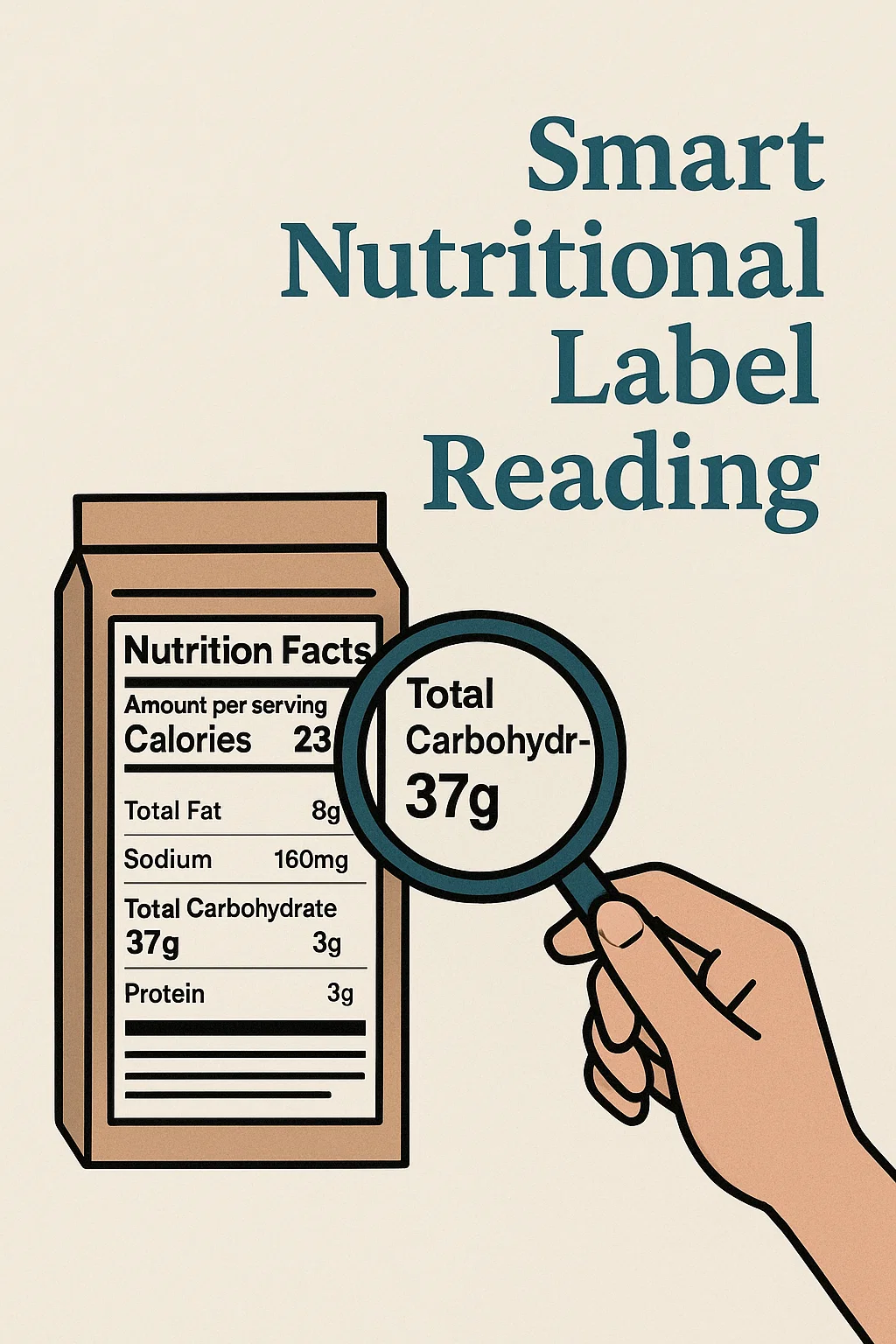
Every grocery shopping trip presents hundreds of decisions that directly impact your health and budget. The key to making smart choices lies in understanding nutrition labels, yet surveys show that over 70% of consumers find these labels confusing or don’t use them effectively. Mastering nutrition label interpretation can transform your shopping habits, improve your family’s health outcomes, and often save money by helping you identify truly nutritious foods versus expensive marketing gimmicks.
Understanding the Nutrition Facts Panel Layout
The standardized Nutrition Facts panel follows a specific format designed to help consumers make informed decisions. However, food manufacturers often use design tricks and placement strategies that can mislead casual readers.
The serving size appears at the top of every label and represents the foundation for all other nutritional information. This measurement isn’t arbitrary—it’s based on FDA guidelines for typical consumption amounts. However, many packages contain multiple servings, and the serving size might be smaller than what people actually eat.
For example, a bag of chips might list a serving size as 15 chips, but many people consume the entire small bag containing 2.5 servings. This means all the nutritional values must be multiplied by 2.5 to understand what you’re actually consuming. Similarly, bottled beverages often contain 2-2.5 servings per container, despite appearing to be single-serving packages.
Calories per serving get prominent placement on nutrition labels because they’re the most commonly referenced measurement. However, focusing solely on calories without considering nutritional density can lead to poor food choices. A 100-calorie pack of cookies provides very different nutritional value than 100 calories of nuts or Greek yogurt.
The percent daily value (%DV) column provides context for each nutrient based on a 2,000-calorie diet. These percentages help you quickly assess whether a food is high or low in specific nutrients. Generally, 5% DV or less is considered low, while 20% DV or more is considered high for any given nutrient.
Decoding Ingredient Lists and Their Significance
Ingredient lists provide crucial information that nutrition panels don’t capture. Understanding how to read these lists reveals the true nature of processed foods and helps you make healthier choices.
Ingredients appear in descending order by weight, meaning the first few ingredients make up the majority of the product. If sugar appears as the first or second ingredient, you’re primarily buying a sugar-based product regardless of how it’s marketed.
However, manufacturers often use multiple types of sugar or sweeteners to push them lower on the ingredient list. A product might contain cane sugar, high fructose corn syrup, dextrose, and honey—all different forms of sugar that collectively represent a significant portion of the product.
Artificial additives, preservatives, and chemical-sounding ingredients often concern health-conscious consumers. While not all artificial ingredients are harmful, understanding common additives helps you make informed decisions. Some people prefer to avoid certain preservatives, artificial colors, or flavor enhancers based on personal health goals or sensitivities.
Natural flavors and artificial flavors might seem very different, but both are created in laboratories and can contain hundreds of chemical compounds. The term “natural” simply means the flavor compounds were originally derived from natural sources, not that they’re necessarily healthier or less processed.
Organic certifications on ingredient lists indicate that ingredients were produced without synthetic pesticides, fertilizers, or genetic modification. However, organic doesn’t automatically mean healthier—organic sugar is still sugar, and organic processed foods can still be high in calories, sodium, and unhealthy fats.
Mastering Macronutrient Analysis
Understanding macronutrients—carbohydrates, proteins, and fats—helps you evaluate foods based on your dietary goals and health needs rather than marketing claims.
Total carbohydrates include all types of carbs: dietary fiber, sugars, and other carbohydrates like starches. The quality of these carbohydrates matters significantly for blood sugar control, satiety, and long-term health outcomes.
Dietary fiber appears as a subset of total carbohydrates and represents one of the most important nutrients to prioritize. High-fiber foods promote digestive health, help control blood sugar levels, and increase feelings of fullness. Foods with 3-4 grams of fiber per serving are good sources, while those with 5+ grams are excellent sources.
Added sugars, now required on nutrition labels, distinguish between naturally occurring sugars (like those in fruit) and sugars added during processing. The American Heart Association recommends limiting added sugars to 25 grams daily for women and 36 grams for men, yet many single processed food items exceed these entire daily limits.
Protein quality varies significantly between sources. Animal proteins provide complete amino acid profiles, while plant proteins often need to be combined to achieve complete nutrition. The protein percentage of total calories can help you identify truly protein-rich foods versus those with modest protein content that’s heavily marketed.
Total fat content matters less than fat composition. Saturated fats, trans fats, and unsaturated fats have very different health implications. Trans fats should be avoided entirely, while moderate amounts of saturated fat are acceptable for most people. Monounsaturated and polyunsaturated fats provide health benefits and should comprise the majority of fat intake.
Micronutrient Evaluation and Daily Value Calculations
Vitamins and minerals listed on nutrition labels represent only those required by FDA regulations, but these nutrients provide valuable insight into a food’s nutritional density.
Sodium content requires particular attention because most Americans consume far more sodium than recommended. The daily value for sodium is 2,300 milligrams, but many health organizations recommend even lower intakes. Processed foods often contain shocking amounts of sodium—sometimes 30-50% of daily needs in a single serving.
Calcium and iron appear on most nutrition labels because deficiencies are common in American diets. Calcium is particularly important for bone health, especially in children, adolescents, and older adults. Iron deficiency can cause fatigue and other health problems, particularly in women of childbearing age.
Vitamin D and potassium were added to required nutrition labels in recent years because most Americans don’t consume adequate amounts. Vitamin D deficiency is widespread due to limited sun exposure and few dietary sources. Potassium helps counteract sodium’s effects on blood pressure and supports heart health.
The absence of certain nutrients on labels doesn’t mean they’re not present in the food. Many foods contain vitamins and minerals that aren’t required to be listed. Fruits, vegetables, and whole grains often provide numerous nutrients not reflected on basic nutrition panels.
Smart Shopping Strategies Using Label Information
Effective grocery shopping requires comparing similar products using nutrition information to identify the best values for your health and budget.
Price per serving calculations help you compare products fairly. A larger package might cost more upfront but provide better value per serving. However, factor in nutritional quality—paying slightly more for significantly better nutrition often represents excellent value for your health investment.
Store brand versus name brand comparisons often reveal identical nutritional profiles at significantly different prices. Many store brands are manufactured by the same companies that produce name brands, using identical formulations but different packaging.
Organic premium evaluation requires careful consideration of your priorities and budget. Some foods benefit significantly from organic production (particularly items on the “Dirty Dozen” list of heavily pesticide-treated produce), while others show minimal differences between organic and conventional options.
Seasonal shopping strategies can maximize both nutrition and savings. Fresh produce at peak season often provides superior nutrition and lower prices compared to out-of-season alternatives. Frozen alternatives can provide excellent nutrition year-round at consistent prices.
Bulk buying decisions should consider both shelf life and usage patterns. Non-perishable items with favorable nutrition profiles often represent excellent bulk buying opportunities, while perishable items require realistic assessment of consumption patterns.
Avoiding Common Marketing Tricks and Misleading Claims
Food marketing employs sophisticated strategies to influence purchasing decisions, often emphasizing benefits while downplaying less favorable nutritional aspects.
Front-of-package claims like “natural,” “healthy,” or “made with real fruit” are largely unregulated and can be misleading. These marketing terms don’t necessarily correlate with superior nutritional profiles when you examine actual nutrition facts and ingredient lists.
Health halos around certain ingredients can mislead consumers. Products advertised as containing quinoa, chia seeds, or other superfoods might contain minimal amounts of these ingredients while remaining primarily composed of less nutritious components.
Low-fat or fat-free claims often signal increased sugar content to maintain palatability. Many low-fat products contain more calories and added sugars than their full-fat counterparts, making them less healthy overall choices.
Protein fortification has become a popular marketing strategy, but many “high-protein” products achieve their protein content through low-quality protein powders rather than naturally protein-rich ingredients. Check ingredient lists to understand protein sources.
Child-targeted marketing often emphasizes fun characters, bright colors, and excitement while minimizing nutritional information. Products marketed to children frequently contain excessive sugar, artificial colors, and minimal nutritional value despite claims about added vitamins or minerals.
Special Dietary Considerations and Label Reading
Different dietary approaches require focused attention on specific aspects of nutrition labels to ensure compliance and optimal health outcomes.
Diabetes management requires careful attention to total carbohydrates, fiber content, and added sugars. Understanding how different carbohydrate sources affect blood sugar helps diabetics make informed choices that support glucose control.
Heart-healthy diets emphasize sodium content, saturated fat levels, and trans fat avoidance. Foods that support cardiovascular health typically feature low sodium, minimal saturated fat, and beneficial fats from sources like nuts, seeds, and fish.
Weight management goals benefit from analyzing calorie density, fiber content, and protein levels. Foods that provide satiety and nutritional value per calorie support sustainable weight control better than low-calorie processed foods with minimal nutritional benefits.
Food allergies and sensitivities require careful ingredient list examination beyond just nutrition panels. Common allergens must be clearly labeled, but related ingredients that might cause reactions require additional vigilance.
Plant-based diets need attention to protein completeness, vitamin B12 content, iron bioavailability, and calcium sources. Reading labels helps ensure adequate nutrition when avoiding animal products.
Budget-Conscious Nutrition Label Strategies
Smart label reading can help you maximize nutritional value while minimizing grocery expenses through strategic product selection and comparison shopping.
Unit price analysis combined with nutritional density calculations helps identify foods that provide the best nutrition per dollar spent. Sometimes slightly more expensive options provide significantly better nutritional value, making them better investments in your health.
Generic brand comparisons often reveal identical nutritional profiles at lower prices. Many store brands meet or exceed name brand nutritional quality while costing 20-40% less.
Seasonal produce evaluation helps you time purchases for optimal nutrition and value. Fresh produce at peak season typically provides superior nutrition and lower prices compared to imported or out-of-season alternatives.
Bulk section opportunities allow you to purchase exactly the amounts you need while often providing better nutritional and economic value than pre-packaged alternatives.
Frozen and canned alternatives can provide excellent nutrition year-round at consistent prices. Reading labels helps you identify options without added sugars, excessive sodium, or unnecessary preservatives.
Technology Tools and Apps for Enhanced Label Reading
Modern technology can enhance your label-reading capabilities and help you make faster, more informed decisions while shopping.
Smartphone apps can scan barcodes and provide detailed nutritional analysis, ingredient breakdowns, and health ratings based on various criteria. Popular apps include HowGood, Fooducate, and Think Dirty, each offering different perspectives on food quality and safety.
Nutrition tracking apps help you understand how individual food choices fit into your overall dietary patterns. Seeing cumulative effects of food choices throughout the day can motivate better decision-making at the grocery store.
Price comparison apps help you find the best deals on nutritious foods across different stores and brands. Some apps even factor in nutritional quality to identify the best value for your health investment.
Recipe apps that analyze nutritional content of homemade meals can help you understand how your cooking compares to processed alternatives, often revealing significant advantages to home preparation.
Making Label Reading a Sustainable Habit
Developing effective label-reading skills requires practice and patience, but the long-term benefits for your health and budget make the effort worthwhile.
Start with a few key metrics that align with your health goals rather than trying to analyze every aspect of every label immediately. Focus on serving sizes, added sugars, and sodium content as foundational skills before expanding to more detailed analysis.
Create personal standards for different food categories based on your research and health goals. Having predetermined criteria speeds up shopping decisions and helps you stay consistent with your nutritional objectives.
Involve family members in label reading to build household awareness and support for healthier choices. Children can learn basic concepts like identifying added sugars and comparing serving sizes.
Regular reassessment of your criteria ensures your label-reading skills evolve with current nutrition science and your changing health needs. What matters most in your twenties might differ from priorities in your fifties.
Long-term Health and Financial Benefits
Effective nutrition label reading provides cumulative benefits that compound over time, supporting both immediate health improvements and long-term financial wellness.
Preventive health benefits from better food choices can reduce healthcare costs significantly over time. Chronic diseases like diabetes, heart disease, and obesity are closely linked to dietary patterns that careful label reading can help modify.
Energy and productivity improvements from better nutrition can positively impact earning potential and quality of life. Stable blood sugar levels and adequate nutrition support consistent energy and mental clarity throughout the day.
Food budget optimization through smart label reading often reveals that truly nutritious foods provide better value than processed alternatives when you consider nutritional density and satiety factors.
Teaching children effective label-reading skills provides them with lifelong tools for health and financial management, creating positive impacts that extend across generations.
The intersection of health and wealth becomes clear when you consider that small daily food choices accumulate into significant health and financial outcomes over time. Mastering nutrition label reading empowers you to make decisions that support both your physical wellbeing and economic security.
Every shopping trip represents an opportunity to invest in your health through informed food choices. The few extra minutes spent reading and comparing labels can yield returns in improved energy, better health outcomes, and more efficient use of your food budget. In the fundamental equation where health equals wealth, nutrition label literacy serves as one of your most practical and powerful tools for optimizing both sides of that relationship.
Disclaimer: This article provides general information about nutrition label reading and should not replace personalized dietary advice from qualified healthcare professionals. Individual nutritional needs vary based on age, health status, activity levels, and other factors. Always consult with registered dietitians or healthcare providers for personalized nutrition guidance.