
Introduction
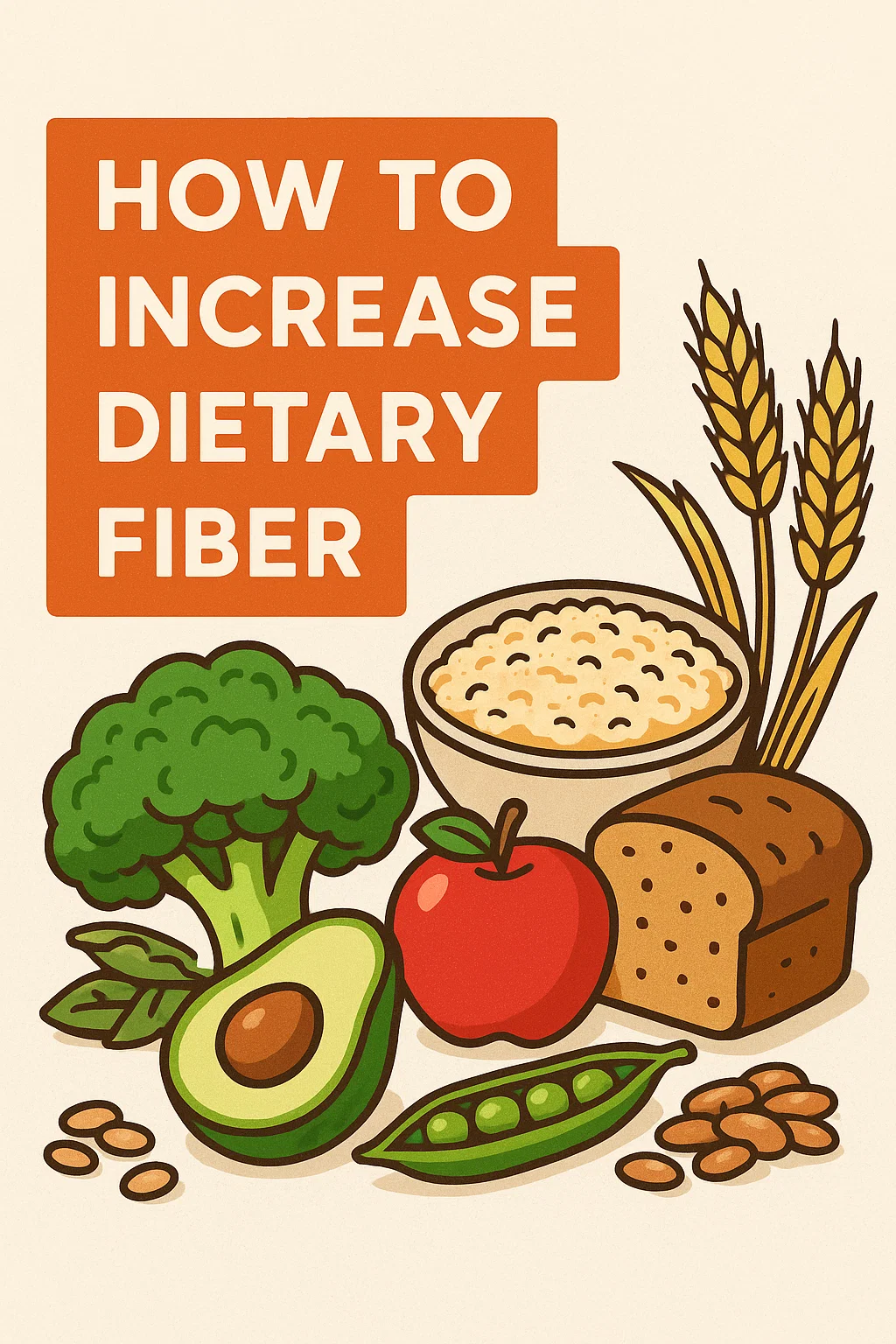
Fiber is an essential part of a healthy diet that supports digestion, helps control blood sugar, and may reduce the risk of chronic diseases. Many people don’t get enough fiber daily, but increasing your intake can be simple and delicious. This article shares practical tips to help you boost your fiber consumption naturally.
Why Fiber Matters
Dietary fiber is found in plant-based foods and comes in two main types:
- Soluble fiber — helps lower cholesterol and regulate blood sugar
- Insoluble fiber — adds bulk to stool and promotes regular bowel movements
Both types contribute to digestive health and overall wellness.
Easy Ways to Increase Fiber Intake
1. Choose Whole Grains Over Refined Grains
Switch white bread, pasta, and rice to whole-grain versions like whole wheat bread, brown rice, or quinoa.
2. Eat More Fruits and Vegetables
Aim to fill half your plate with colorful fruits and vegetables — berries, apples, carrots, and leafy greens are all great fiber sources.
3. Include Legumes in Your Meals
Beans, lentils, and chickpeas are high in fiber and protein. Add them to salads, soups, or main dishes.
4. Snack on Nuts and Seeds
Almonds, chia seeds, flaxseeds, and walnuts provide fiber and healthy fats.
5. Add Fiber-Rich Foods to Breakfast
Try oatmeal topped with fruit and seeds or whole-grain cereals.
6. Drink Plenty of Water
Increasing fiber without enough fluids can cause digestive discomfort. Stay hydrated to help fiber do its job.
Tips for a Smooth Transition
Increase fiber gradually over several weeks to allow your digestive system to adjust. This reduces the chance of gas or bloating.
Conclusion
Boosting your fiber intake is an easy step toward better digestion, improved heart health, and long-term wellness. Incorporate more whole grains, fruits, vegetables, legumes, nuts, and seeds into your diet, and remember to drink plenty of water. Small changes can make a big difference!